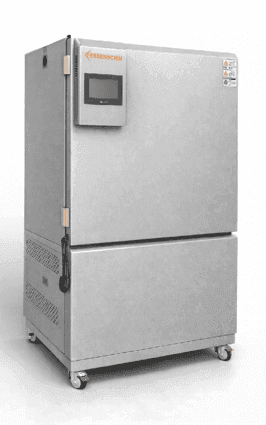
ESC-HTO72-T6
ESC-HTO72-T6 High-Temperature Oven
- Internal Chamber Dimensions400*450*400 mm
- Operating Temperature Range25~600 ℃
Total 6 items
Category:High Temperature OvensClear

ESC-HTO72-T6

ESC-HTO100-T6

ESC-HTO150-T6

ESC-HTO270-T6

ESC-HTO480-T6

ESC-HTO1000-T6
Model comparison
Filter by sample dimensions, loading method and temperature requirements. Optional equipment is listed separately in each product’s details.
| Model | Chamber dimensions | Operating temperature range | Details and configuration |
|---|---|---|---|
| ESC-HTO72-T6 | 400*450*400 mm | 25~600 ℃ | View configuration |
| ESC-HTO100-T6 | 500*400*500 mm | 25~600 ℃ | View configuration |
| ESC-HTO150-T6 | 500*500*600 mm | 25~600 ℃ | View configuration |
| ESC-HTO270-T6 | 600*500*900 mm | 25~600 ℃ | View configuration |
| ESC-HTO480-T6 | 800*600*1000 mm | 25~600 ℃ | View configuration |
| ESC-HTO1000-T6 | 1000*1000*1000 mm | 25~600 ℃ | View configuration |
Equipment applications
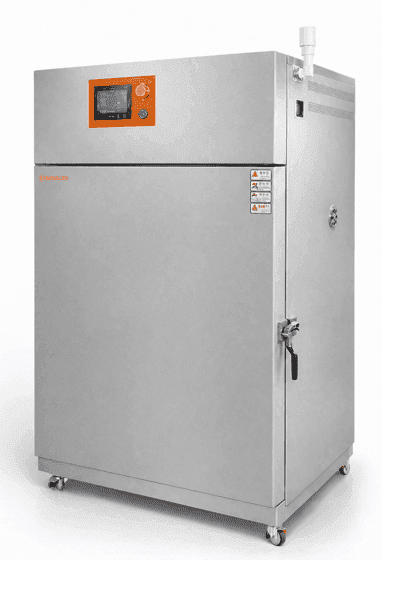
The ESSENSCI HTO series serves material drying, curing and component heat treatment. Start with the workpiece's permissible temperature, process endpoint, batch size and carriers, then check usable space and the selected hot-air circulation, natural-convection or radiant-heating arrangement. Current models have a published operating temperature range of 25–600°C. Suitability for specific materials, loads and accessories must still be confirmed separately. Where vacuum, nitrogen or particle control is required, compare the corresponding series and configurations.
Also known as: High-temperature drying oven, Forced-convection drying oven, Constant-temperature drying oven, Hot-air circulation oven
Define the temperature profile, hold time, cooling conditions and post-treatment evaluation criteria from the material grade and supplier's process documentation. Workpiece temperature may reach the setpoint later than chamber air. Use representative temperature measurements to establish the hold-timer start, then judge the program by cure state, appearance or other relevant material results.
Before using a high-temperature drying oven for sample processing, confirm the moisture or volatile endpoint, sample temperature limits and container suitability. Do not select equipment for heat-sensitive materials by maximum temperature alone. For powders, films and small lightweight samples, also assess airflow disturbance. Compare the VO vacuum series where reduced-pressure drying is required.
Multilevel trays, heavy parts and fixtures change temperature distribution and heating and cooling times. Provide a loading diagram, batch mass and level spacing. Use actual loads to check workpiece temperatures at the center, edges and different levels, and include loading, unloading, heating, holding and cooling in the complete production cycle.
Selection and acceptance
When comparing internal chamber dimensions, also provide workpiece, tray and fixture dimensions and their placement. Allow space for heat transfer, gas flow, temperature measurement and handling. Confirm carts, load-support structures or test ports against the specific design when required; chamber volume does not establish the structure.
Published heating arrangements list hot-air circulation, natural convection and radiant heating. Confirm the method for the selected configuration. Control accuracy, temperature fluctuation, temperature uniformity and actual workpiece temperature differences are distinct criteria. Quotations and acceptance tests should specify test temperature, stabilization time, measurement locations and empty or full-load conditions.
Confirm options such as a data recorder, communication interfaces, carts, test ports and an observation window as needed. Published configurations specify separate temperature limits for accessories such as observation windows. Confirm these limits for the model and accessory specifications; the equipment's maximum temperature cannot be applied to every accessory. Check power supply, installation space, material outgassing and exhaust conditions together with the configuration list.
Frequently asked questions
These purchasing terms may describe similar equipment, but forced convection emphasizes circulated airflow, while high temperature or constant temperature does not describe every structural or performance characteristic. Compare operating temperature, heating method, usable space, loading and test results. Confirm the specific HTO heating configuration for the model and selected arrangement before judging its suitability for material drying or heat treatment.
First confirm permissible temperatures for workpieces and accessories, then agree representative loading, measurement locations, stabilization conditions and acceptance criteria. Record workpiece temperatures over time and differences between locations. A stable controller display does not mean that every workpiece reaches the target simultaneously. Empty-chamber results or single-point control accuracy cannot replace full-load temperature distribution.
Natural convection relies on gas movement caused by heating; forced convection uses a fan to organize circulation. Compare heat transfer and sample disturbance with the actual materials and loads. The purchasing term gravity-convection oven should also be checked against the specific design. Published HTO arrangements include natural-convection and hot-air circulation options, which must not all be treated as simultaneous standard features of every unit.
Application names alone do not establish interchangeability. Drying and curing focus on material endpoints, while high-temperature testing may have specific temperature-change, load and test requirements. Compare the HTO and HTC operating ranges, operating modes, measurement and acceptance conditions against the actual task, rather than judging by maximum temperature or chamber dimensions alone.
Provide workpiece and carrier dimensions, batch mass, operating temperature, heating method, cycle and acceptance requirements. Recording, communications, test ports, observation windows, handling structures and site power supply all affect the arrangement and quotation. Compare prices with the same loading, supply scope and temperature measurement conditions, and calculate throughput from acceptable batches.
For conventional heating, drying or curing, start by evaluating HTO. Where the material process requires reduced pressure, compare VO vacuum structure, pump system, loaded operating pressure and temperature. Check NO, NVO, CLO or LCO separately if nitrogen or cleanliness control is needed; high-temperature capability does not establish these other functions.
First provide material composition, release per batch, permissible temperature and exhaust conditions, then assess equipment suitability and the site arrangement separately. Published overtemperature, overload or earth-leakage protection does not establish explosion-proof performance. An exhaust provision alone does not make a conventional high-temperature oven suitable for these materials. Confirm configuration and process for the actual material.

Process knowledge
ESSENSCI · Process consultation
Tell us your material, sample dimensions, batch quantity and target temperature. We will discuss equipment selection with you based on atmosphere, loading and site conditions.
Share your use case and we will provide selection recommendations.