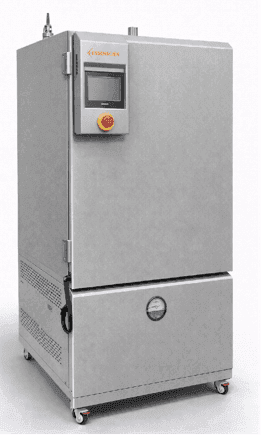
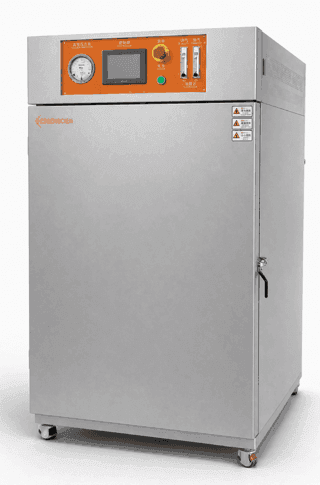
ESC-CLO100-T5
ESC-CLO100-T5 Clean Oven
- Internal Chamber Dimensions500*500*400 mm
- Operating Temperature Range25~500 ℃
Total 5 items
Category:Clean OvensClear

ESC-CLO100-T5

ESC-CLO211-T5

ESC-CLO423-T5

ESC-CLO640-T5

ESC-CLO4500-T5
Model comparison
Filter by sample dimensions, loading method and temperature requirements. Optional equipment is listed separately in each product’s details.
| Model | Chamber dimensions | Operating temperature range | Details and configuration |
|---|---|---|---|
| ESC-CLO100-T5 | 500*500*400 mm | 25~500 ℃ | View configuration |
| ESC-CLO211-T5 | 650*650*500 mm | 25~500 ℃ | View configuration |
| ESC-CLO423-T5 | 650*650*1000 mm | 25~500 ℃ | View configuration |
| ESC-CLO640-T5 | 800*800*1000 mm | 25~500 ℃ | View configuration |
| ESC-CLO4500-T5 | 3000*1000*1500 mm | 25~500 ℃ | View configuration |
Equipment applications
The ESSENSCI CLO series configures filtration and circulation systems for heating and drying in a clean environment, serving precision optoelectronic assemblies, semiconductor materials and medical-device-related processes. Define whether the target is airborne particles in the chamber or deposition on workpiece surfaces, and perform acceptance testing at the agreed temperature, load and operating state.
Also known as: Cleanroom oven, Clean drying oven
HUD lenses, optoelectronic assemblies and display panel materials are sensitive to surface particles. Use actual carriers to check particle deposition, surface condition and workpiece temperature after heating, rather than substituting empty-chamber air testing for product evaluation.
Drying semiconductor materials, precision parts and carriers requires both temperature and contamination control. Describe material outgassing, workpiece cleanliness and packaging to assess their effects on the filtration system and chamber environment.
For medical devices and consumable-packaging-related drying, define particle, temperature and moisture endpoints according to product requirements. Clean drying does not in itself establish sterilization effectiveness. Where sterilization is required, conduct separate validation of the corresponding process.
Selection and acceptance
Specify particle sizes, counting method, sampling locations, temperature and whether testing is empty or loaded. Include recovery following door opening for loading or unloading, stabilization during operation and filter replacement in the equipment evaluation.
Check the operating temperature rating, installation seals, circulation paths and maintenance access of high-temperature high-efficiency filters. Trays, packaging and workpieces must not obstruct airflow indiscriminately. Validate temperature and particle performance with representative loads.
Options such as the CLO nitrogen system, oxygen analyzer and water cooling must be confirmed for the configuration. If particles and oxidation protection are both primary objectives, compare the LCO series and agree separate criteria for each.
Frequently asked questions
The name cannot provide that guarantee. Workpieces, packaging, trays, door operations and filtration maintenance can all introduce particles. Test the chamber environment under specified operating conditions and assess workpiece surfaces with an appropriate method.
Cleanroom conditions and internal equipment performance require separate confirmation. Filtration, seals, circulation and loading operations affect particles inside the chamber, so validate performance under actual installation and operating conditions.
CLO focuses on clean heating and particle control, while LCO addresses both particle and anti-oxidation requirements. Confirm the specific atmosphere and filtration configuration for the model; neither set of criteria can substitute for the other.
Determine temperature, exhaust and filtration arrangements from the polyimide material's curing window, residual solvents and surface particle requirements. Also check whether PI curing requires low oxygen; if so, compare LCO. Validate a CLO application through actual coating cure, adhesion and particle inspection results, rather than empty-chamber cleanliness classification alone.
Photoresist prebake, postbake and polyimide curing have different material objectives and temperature windows. Set separate programs according to formulation requirements. Also evaluate solvent release, filter temperature limits and cross-contamination. Before sharing equipment, validate cleaning procedures, residues and workpiece surface results.
Replacement intervals depend on operating temperature, material outgassing, particle load and door operations. Develop a maintenance plan using differential pressure, airflow, particle measurements and filter condition. After replacement, inspect installation seals and recheck particles and temperature distribution under the specified conditions; a fixed number of months alone is insufficient.
Provide workpiece and carrier dimensions, load quantity, operating temperature, target particle sizes and counting requirements. State whether testing is empty or at full load. If nitrogen, oxygen measurement, water cooling or recording is also required, list these in the same configuration schedule and compare quotations under the same measurement conditions.

Process knowledge
ESSENSCI · Process consultation
Tell us your material, sample dimensions, batch quantity and target temperature. We will discuss equipment selection with you based on atmosphere, loading and site conditions.
Share your use case and we will provide selection recommendations.